
What Is a Bat Mitzvah? Meaning, Age, and History
A bat mitzvah marks a Jewish girl's coming of age at 12 or 13 depending on the movement. Here is what the word means and what to expect as a guest.
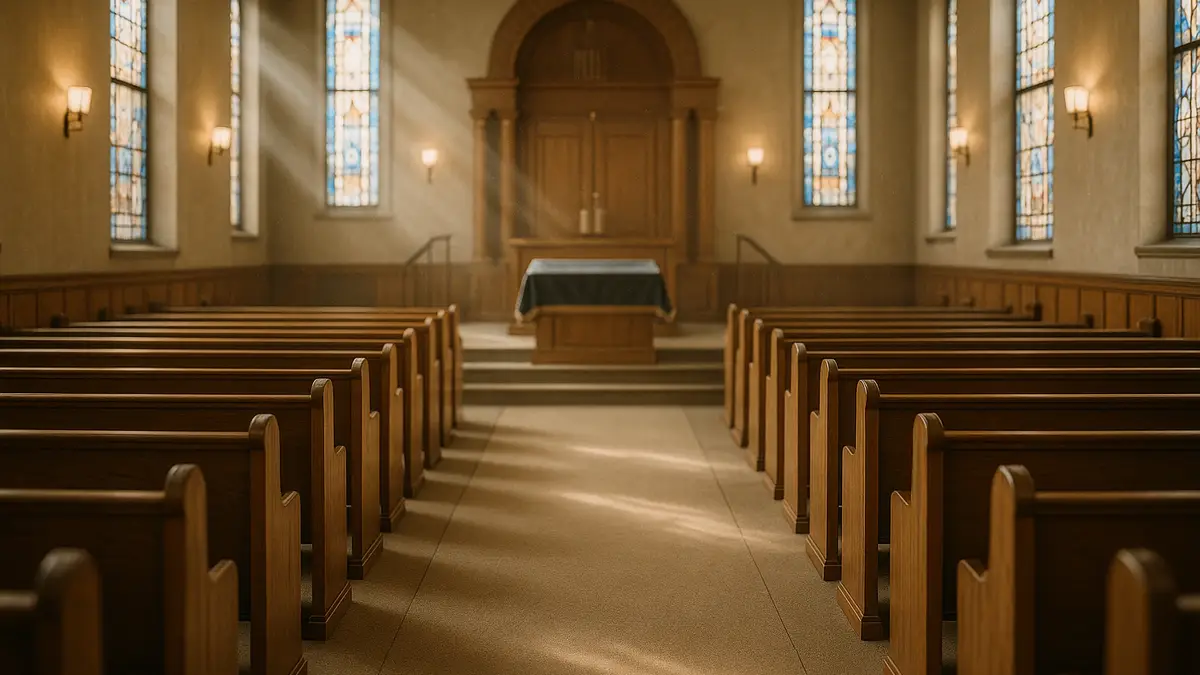
If someone invited you to a bat mitzvah and you want the real answer before you RSVP: a bat mitzvah is a Jewish girl’s coming-of-age milestone, and it happens automatically at a set age whether or not anyone throws a party. What you’re actually being invited to, the synagogue ceremony, the reception, or both, depends on the family and the movement their synagogue belongs to.
What does “bat mitzvah” actually mean?
Bat mitzvah (bat, daughter, mitzvah, commandment) means “daughter of the commandment.” It marks that a girl is now considered accountable for observing Jewish commandments the way an adult is, not a child exempted from them anymore. It describes a status, not an event. The equivalent milestone for boys is a bar mitzvah, “son of the commandment,” covered in full in the bar mitzvah explainer.
What age does a bat mitzvah happen?
The age is the one place the movements genuinely disagree, and it drives everything else about the ceremony.
| Movement | Bat mitzvah age | Typical ceremony |
|---|---|---|
| Orthodox | 12 | Often a kiddush, speech, or bat chayil event rather than a Torah reading in the main service |
| Conservative | 12 or 13, varies by congregation | Torah and haftarah reading, full participation |
| Reform | 13 | Torah and haftarah reading, same format as bar mitzvah |
| Reconstructionist | 13 | Torah and haftarah reading, fully egalitarian |
The bat mitzvah age guide explains why the age splits this way and what “halachic adulthood” means in practice.
What actually changes religiously?
Once a girl reaches bat mitzvah age, Jewish law considers her responsible for the commandments the way an adult is. What that looks like in synagogue depends on the movement. In Reform, Conservative, and Reconstructionist settings, she can be called for an aliyah (reciting the blessing over a Torah reading), read from the Torah or haftarah, lead portions of the service, and count toward a minyan, the quorum of ten adults needed for certain prayers. In Orthodox communities practice varies: women generally do not lead mixed-gender services or read from the Torah scroll in the main sanctuary, though many Modern Orthodox communities mark the milestone meaningfully through women’s tefillah groups, a father-daughter learning program, a d’var Torah delivered at a family kiddush, or a separate celebration within those boundaries.
Practically, this means the same word covers two fairly different experiences depending on where the family davens (prays). A Reform or Conservative bat mitzvah usually looks and sounds like the boy’s version down to the last detail. An Orthodox one is quieter and smaller in scope, but it is not a lesser event, it simply channels the milestone through different, equally sincere, forms of participation.
Is the bat mitzvah the ceremony or the party?
Neither, strictly speaking. You don’t “have” a bat mitzvah the way you have a birthday party; you become one, the same way you become a legal adult at 18 without needing a ceremony to make it official. The synagogue service is how the status gets marked publicly, and the party afterward is a social celebration American Jewish families layered on top of it over the last century. A girl who skips both the ceremony and the party is still a bat mitzvah under Jewish law once she crosses the age threshold.
Where did the bat mitzvah tradition come from?
The bat mitzvah is far younger than the bar mitzvah, which has roots going back centuries. The first one held in America took place on March 18, 1922, at the Society for the Advancement of Judaism in New York, for Judith Kaplan, daughter of Rabbi Mordecai Kaplan, who went on to found Reconstructionist Judaism. She read from a printed Chumash rather than a Torah scroll, and she read from the floor of the sanctuary rather than the bimah, modest by today’s standards, but a genuine first. Conservative congregations adopted the practice gradually over the following decades, and Reform congregations, already moving toward treating boys and girls equally, folded it in as standard practice. Orthodox communities largely developed separate, parallel observances rather than adopting an identical format to the bar mitzvah.
What should a guest expect on the day?
Plan on a Shabbat morning synagogue service, typically two to three hours, followed by a kiddush lunch, and often a separate evening party with music and dancing for family and friends. Dress leans modest and synagogue-appropriate for the service and can shift more festive for the evening party. You’ll stand and sit at the same points as the congregation, listen to the bat mitzvah chant her Torah and haftarah portions, and likely hear a short speech from her and from her parents. The what to wear guide covers both halves of the day in detail, and what happens at a bat mitzvah walks through the whole day step by step, including what guests are expected to do and when.
Before you RSVP
Two things guests usually want settled before answering the invitation: what to wear and what to bring. Dress code differs by movement and by which part of the day you’re headed to, the service, the party, or both, so start with the attire guide rather than guessing. For the gift, Jewish tradition favors money given in multiples of 18, the numerical value of the Hebrew word chai, meaning life, explained fully in what chai means. The bat mitzvah gift amount guide breaks the number down by how close you are to the family, so you’re not guessing there either.
Frequently asked questions
Quick answers to what guests ask us most
Is bat mitzvah the girl or the event?
Technically it is the person and her new status, not the party. A girl becomes a bat mitzvah at her 12th or 13th birthday depending on her community's practice; the celebration afterward is a bat mitzvah reception or party, a separate, optional add-on.
What is the male equivalent called?
The equivalent milestone for boys is a bar mitzvah, reached at 13 across every branch of Judaism. See bar mitzvah vs bat mitzvah for a full side-by-side comparison.
Do all Jewish girls have a bat mitzvah ceremony?
No. The religious status arrives automatically at the qualifying birthday whether or not anyone marks it publicly. Most families do hold a ceremony and reception, but a girl who has neither is still a bat mitzvah under Jewish law.
What should I expect if I'm invited to one?
Expect a Shabbat morning synagogue service, usually two to three hours, followed by a kiddush lunch and often an evening party. See what happens at a bat mitzvah for the full timeline and what to wear for the dress code.